
Process
Turnkey renovation: what should be included?
The term "turnkey" is used with different meanings depending on who's using it. This guide explains what should actually be covered for the term to hold up in practice.

What "turnkey" means
A turnkey renovation assumes that the client doesn't need to hire and manage each trade involved in the project directly — electrics, plumbing, flooring, joinery, painting, among others. That doesn't mean the client is left out of the process; it means there is a party responsible for coordinating the trades covered by the agreed scope, from start to finish.
Defining the scope
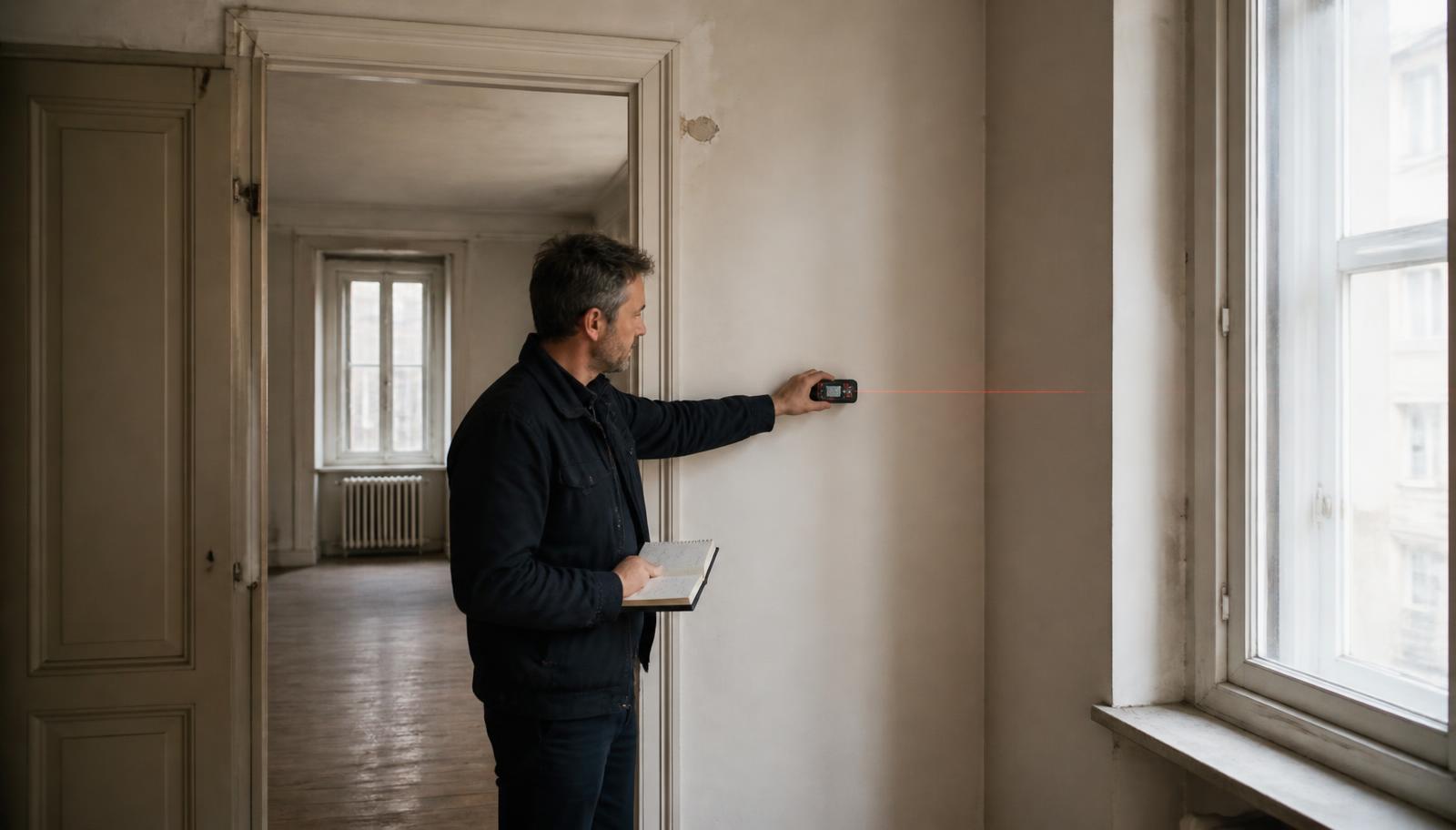
Before any quote is given, it's necessary to clearly define what the project includes: which rooms are involved, what structural changes are planned, which systems will be replaced and what level of finish is intended. A well-defined scope is the basis of a reliable quote and a process free of ambiguity.
Quoting
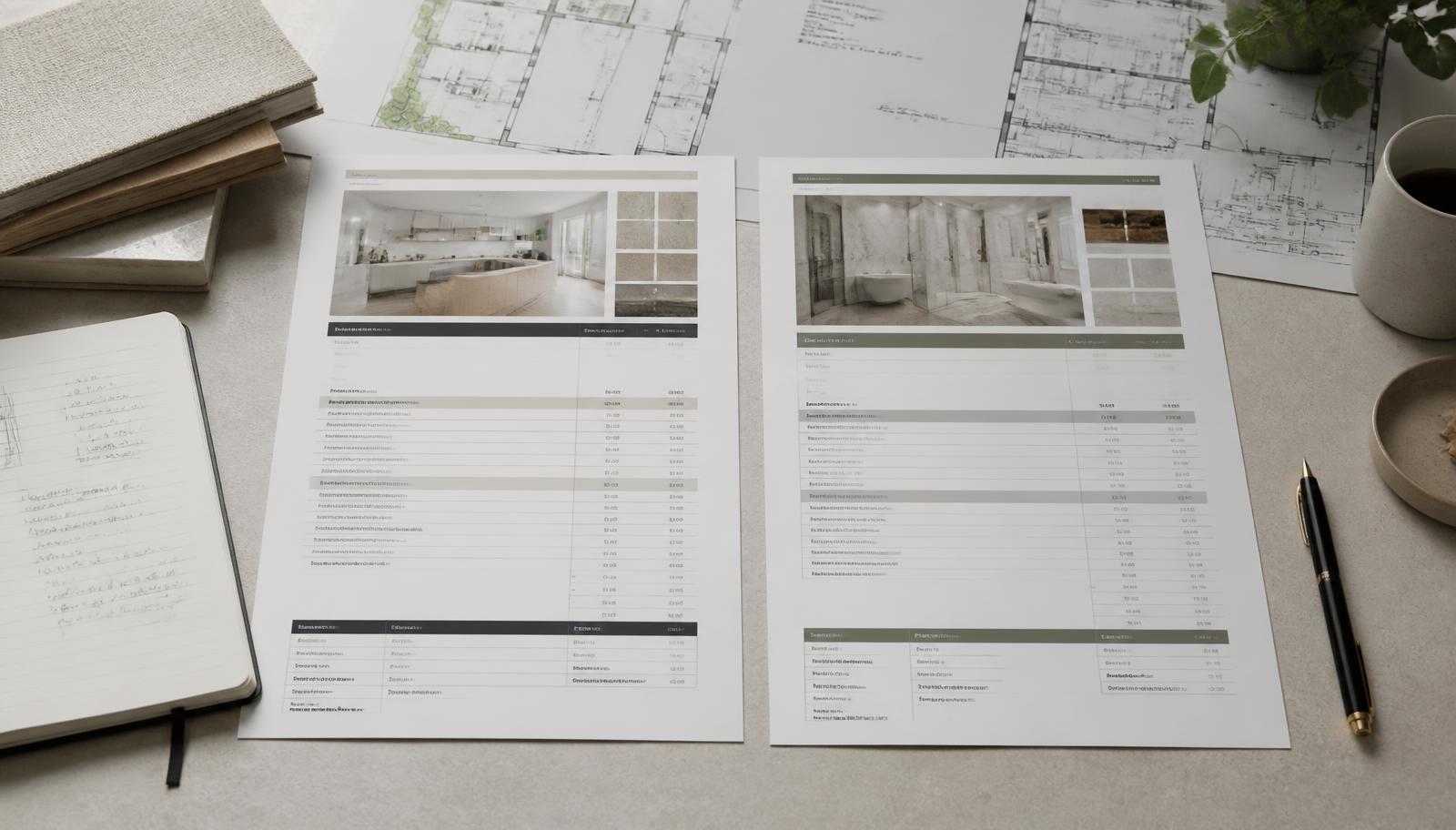
The quote should reflect the defined scope, trade by trade, rather than just a single overall figure. This makes it possible to understand what's included, what's excluded and where additional costs might arise if the scope changes. This is explored in more detail in our guide on how to compare construction quotes.
Planning
A realistic plan organises the sequence of work, identifies dependencies between trades and sets out a schedule consistent with the agreed scope. Planning doesn't eliminate the unexpected, but it creates a structure for managing it when it arises.
Coordinating the trades
Coordination between teams — electricians, plumbers, builders, joiners, painters — is perhaps the most valuable element of a turnkey renovation. It's this coordination that prevents rework, delays and mismatches between trades that the client would otherwise have to manage alone. This principle underpins the Rigor Method, applied to our turnkey renovation service.
Changes during the project
Changes often come up during a project, whether by client decision or because of conditions identified during the works. What sets a well-managed process apart is that any change is recorded in writing, with its impact on time and cost, before it's carried out. This is the principle behind the idea that the price only changes when the scope changes — and always in writing.
Communication throughout the project
Regular, structured communication — on progress, pending decisions and any deviations — allows the client to follow the project without needing to be on site every day.
Inspection and handover
Before handover, a joint inspection should take place to identify any points to correct before the space is considered complete. This step prevents small issues from being left unresolved once the project has already been handed over.
After handover
Even after handover, an after-care period can make sense, during which any issues identified through use of the space are reviewed and addressed. The specific terms of this after-care should be set out in the contract, with no room for interpretation.
In short, a turnkey renovation only lives up to its name when it covers this whole journey — from scope to after-handover — explicitly and in writing.
Related guides

Frequently asked questions
Does "turnkey" mean I don't need to decide anything?
No. It means the coordination of the trades covered by the agreed scope is handled by the company, but the decisions that matter — layout, materials, finishes — remain yours. What changes is that you don't need to manage each supplier or team directly.
What happens if I want to change something halfway through the project?
It's common for changes to come up during a project. What matters is that they're recorded in writing, with their impact on time and cost, before they're carried out.
Does support end when the project is handed over?
There should be an after-handover period during which any issues identified once the space is in use are followed up. The specific terms should be set out in the contract.
Planning a project?
Tell us what you have in mind and send us whatever information you already have.
Request a Site Assessment